CRO Basics
What Is Above the Fold on a Landing Page?
Dec 22, 2025

You have three seconds. That's how long visitors give your landing page before deciding to stay or leave. Everything they see in those critical first moments appears above the fold, and it determines whether your conversion rate thrives or crashes.
Despite being one of the oldest concepts in web design, above the fold optimization remains misunderstood. Many marketers treat it as a simple checklist: headline, image, call-to-action button. But high-converting landing pages understand that above the fold is about strategic prioritization, not cramming elements onto a screen.
This article explains what above the fold actually means, why it matters for conversion rate optimization, and how to design this crucial space to maximize engagement and conversions.
Defining Above the Fold: More Complex Than It Seems
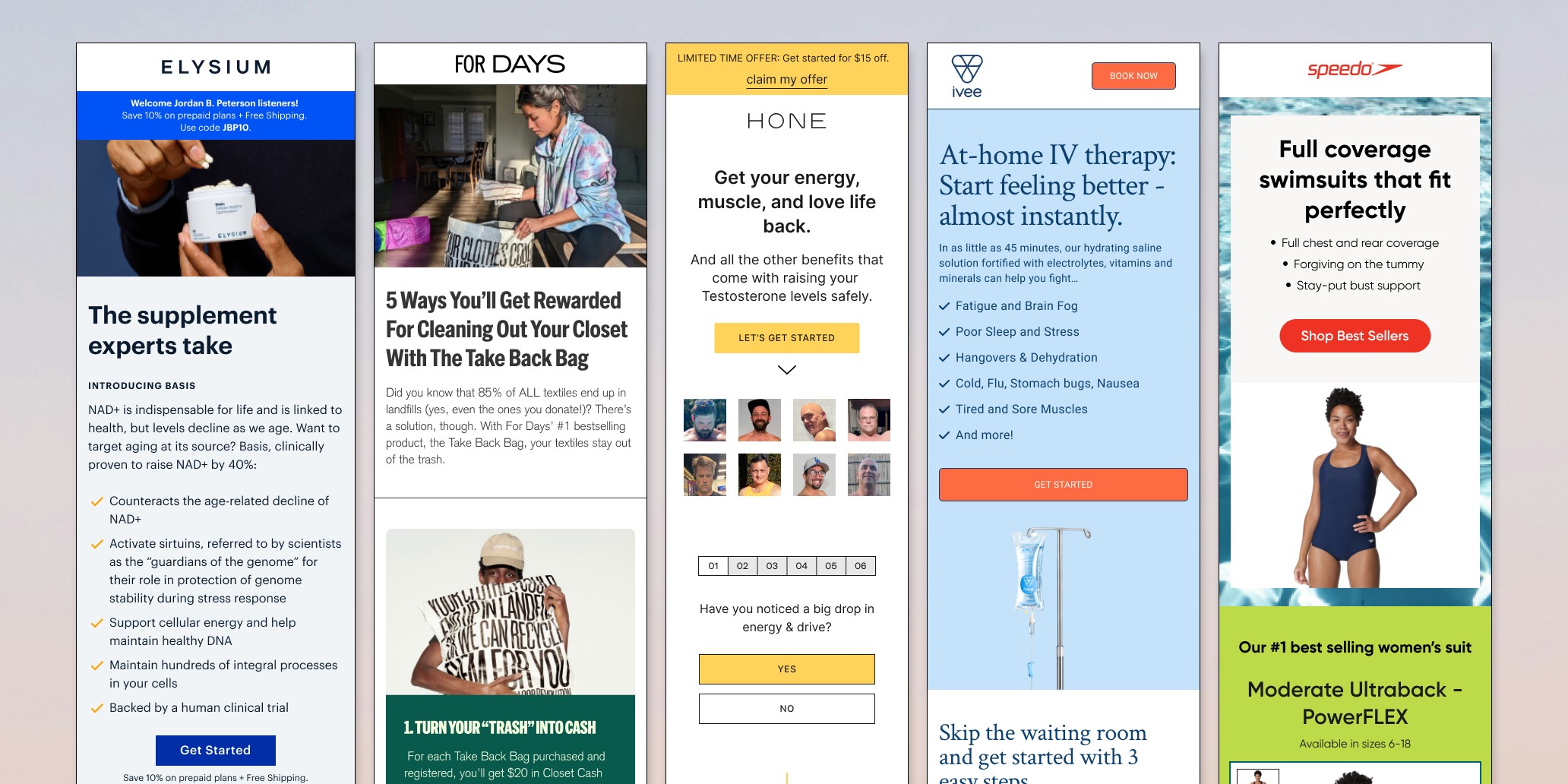
Above the fold refers to the portion of a webpage visible on a user's screen without scrolling. The term comes from newspaper publishing, where the most important stories appeared on the top half of the front page, the part visible when papers were folded for display.
In digital contexts, above the fold means everything a visitor sees immediately upon landing on your page. This includes your headline, hero image or video, value proposition, and potentially your primary call-to-action button.
The definition is straightforward, but the execution is complicated by device diversity. A visitor on a 27-inch desktop monitor sees vastly more above the fold than someone on an iPhone. What appears immediately visible on one screen requires scrolling on another.
This variability forces you to prioritize ruthlessly. You cannot optimize for every possible screen size simultaneously. Instead, you must identify the most critical conversion elements and ensure they appear in the initial viewport across your primary device segments.
Modern analytics tools show you the exact fold line for different devices. Google Analytics 4, Hotjar, and similar platforms reveal where users see content based on screen resolution and browser dimensions. This data should inform your above-the-fold design decisions rather than guessing based on your own device.
The fold isn't a fixed line. It's a probability zone. Your goal is to maximize the likelihood that conversion-critical elements appear without scrolling for most visitors.
Why Above the Fold Drives Conversion Rates
The space above the fold disproportionately impacts conversion rates because it handles three critical jobs simultaneously: capturing attention, communicating value, and directing action.
First impressions form within 50 milliseconds of page load. Visitors make snap judgments about credibility, relevance, and professionalism based entirely on what they see above the fold. Poor design, unclear messaging, or mismatched expectations create immediate doubt that no amount of below-the-fold content can overcome.
Attention span is finite and front-loaded. Users give maximum attention to the first screen they encounter. As they scroll, attention degrades and bounce probability increases. Elements placed below the fold receive significantly less attention than those above it, even on pages where most users do scroll.
This doesn't mean below-the-fold content is worthless; it means your above-the-fold section must earn the scroll. If visitors don't find immediate relevance or value in what they see first, they'll never discover your carefully crafted benefits section or testimonials further down the page.
Call-to-action visibility matters enormously. While CTA buttons don't always need to appear above the fold, the decision to place them there should be intentional. For high-intent traffic from paid campaigns, above-the-fold CTAs often convert better. For cold traffic requiring education, CTAs perform better after value communication below the fold.
The Highest Converting Landing Page Layout of 2025 explains which sections are needed to balance above-the-fold elements. There's no universal formula, but the principles remain consistent.
Essential Elements for Above the Fold Conversion
Not every element belongs above the fold, but certain components consistently impact conversion rates when prioritized in the initial viewport.
Your headline is non-negotiable. It must appear above the fold on every device because it serves as the relevance filter that determines whether visitors stay or bounce. How to Write Headlines That Increase Conversions focuses on matching visitor intent and communicating value immediately, both critical for above-the-fold performance.
Value propositions need immediate visibility. Visitors should understand within seconds what you offer and why it matters to them. This doesn't require lengthy explanations; it just needs clear, benefit-focused language that resonates with their needs.
Visual elements establish credibility and context. Whether you use a hero image, product screenshot, or video, the visual above the fold should reinforce your message and create positive emotional associations. Poor-quality images or stock photos that feel generic undermine trust immediately.
Trust indicators, such as recognizable brand logos, security badges, or quick credibility statements, help overcome skepticism. For unknown brands, these signals above the fold can be the difference between engagement and immediate exit.
The primary call-to-action placement depends on your funnel stage and traffic source. High-intent visitors from paid search or retargeting campaigns often convert from above-the-fold CTAs. Cold traffic from content marketing or social media typically needs more context before encountering a conversion request.
Navigation decisions significantly impact above-the-fold real estate. Some high-converting landing pages eliminate navigation to maintain focus. Others include minimal navigation for credibility. The choice depends on traffic source and conversion goal, but every navigation element above the fold competes with your primary conversion objective.
Common Above the Fold Mistakes That Destroy Conversions
Even experienced marketers make predictable mistakes when designing above-the-fold sections. Understanding these errors helps you avoid them.
Cramming too many elements above the fold creates visual chaos that overwhelms visitors. When every component competes for attention, headline, subheadline, multiple CTAs, form fields, images, trust badges, navigation, nothing stands out. The result is cognitive overload and higher bounce rates.
Generic or vague headlines waste the most valuable real estate on your page. Headlines like "Welcome to Our Platform" or "Innovative Solutions for Modern Businesses" communicate nothing specific. Visitors immediately question relevance and begin looking for alternatives.
Mismatched messaging between ads and landing pages destroys conversions. If your ad promises "free trial, no credit card required" but your above-the-fold CTA says "Start Your Subscription," the disconnect creates distrust. Message match above the fold is critical for paid traffic conversion rates.
Slow-loading above-the-fold content creates a terrible first impression. If your hero image takes 4 seconds to load or your headline pops in after a delay, visitors perceive your brand as unprofessional. The Technical Foundation of Conversion includes optimizing above-the-fold load times specifically because this directly impacts bounce rates.
Ignoring mobile-specific above-the-fold design leads to conversion losses. Mobile viewports show less content above the fold. A layout that works beautifully on desktop might bury your CTA or value proposition on mobile. Responsive design isn't enough; you need mobile-specific prioritization.
Form fields above the fold often reduce conversions unless the offer is extremely compelling and the form is minimal. Long forms that dominate the initial viewport create friction and hesitation. Most high-converting landing pages save form fields for below the fold after establishing value.
Optimizing Above the Fold for Different Traffic Sources
Not all traffic should see identical above-the-fold experiences. Conversion optimization requires matching your initial viewport to visitor context and intent.
Paid search traffic arrives with high intent and specific expectations set by ad copy. Above-the-fold optimization for PPC should focus on immediate message match, clear CTAs, and minimal distractions.
Social media traffic tends to be cold and exploratory. Above-the-fold sections for social visitors should prioritize intrigue and value communication over immediate conversion requests. Lead with compelling visuals and benefit-focused headlines that earn the scroll before asking for commitment.
Organic search traffic varies widely in intent. Informational queries need educational content above the fold, while transactional searches benefit from product-focused layouts with prominent CTAs. Understanding search intent behind your target keywords helps you design appropriate above-the-fold experiences.
Email traffic arrives with existing context and relationship. Above-the-fold optimization for email campaigns can be more direct and conversion-focused since recipients have already opted into communication. Message continuity between email and landing page above the fold is critical.
Retargeting traffic has brand familiarity but showed hesitation during previous visits. Above-the-fold sections for retargeted visitors should address common objections, showcase new information, or present alternative offers that overcome previous barriers.
Testing and Improving Above the Fold Performance
Above-the-fold optimization isn't one-and-done. Continuous testing reveals what actually drives conversions for your specific audience and offers.
Start with scroll depth analytics. Tools like Hotjar, Microsoft Clarity, or Google Analytics scroll tracking show exactly how many visitors scroll past your fold line. If 70% never scroll, your above-the-fold section carries enormous responsibility. If 95% scroll immediately, you can distribute conversion elements across the page more freely.
Heatmaps reveal attention patterns above the fold. Where do visitors look first? Which elements attract clicks? What gets ignored despite prominent placement? This data exposes disconnects between your design intentions and actual user behavior.
A/B testing above-the-fold elements drives measurable conversion improvements. Test headline variations, CTA button placement, hero image options, and value proposition phrasing. Even small changes can produce significant conversion rate differences because above-the-fold elements impact every single visitor.
Simple CRO tests that increase revenue often focus on above-the-fold optimization because these tests show results quickly and affect large traffic volumes. A 15% conversion improvement from an above-the-fold test generates more revenue than a 40% improvement to a below-the-fold element that few visitors see.
Device-specific testing is essential. Your above-the-fold section performs differently on desktop, tablet, and mobile. Test variations for each device category rather than assuming a responsive design automatically optimizes across screens.
Time-on-page before scroll measures above-the-fold engagement quality. If visitors spend 8 seconds above the fold before scrolling, your initial section is engaging them effectively. If they scroll after 1 second, they're likely searching for something they didn't find immediately visible.
Above the Fold Clarity: The Conversion Multiplier
Clarity above the fold trumps creativity, cleverness, or complexity. Visitors need to understand three things instantly: what you offer, who it's for, and why it matters to them.
How to Improve Landing Page Clarity Fast emphasizes that confusion above the fold ruins more conversions than any other single factor. When visitors can't immediately determine relevance, they assume the page isn't for them and leave.
Reduce cognitive load by limiting choices above the fold. Multiple CTAs, competing messages, or unclear visual hierarchy force visitors to think rather than act. The best above-the-fold sections guide attention naturally through a clear visual and message flow.
Use benefit-driven language that connects to visitor problems. Features and technical specifications rarely convert above the fold because they require interpretation. Benefits, especially those addressing pain points, create immediate emotional connection and engagement.
Contrast and whitespace improve above-the-fold clarity dramatically. Your headline needs breathing room. Your CTA button needs visual distinction. Cramped layouts with insufficient spacing make content harder to process and reduce conversion rates.
Above the Fold Psychology and Conversion Principles
Understanding why above-the-fold design affects conversions requires examining the psychological principles at play.
The primacy effect explains why first impressions matter so much. People remember and weight initial information more heavily than later information. What appears above the fold becomes the anchor for all subsequent judgments about your offer, brand, and credibility.
Pattern interruption either helps or hurts above-the-fold performance depending on execution. Unexpected design elements can capture attention and create memorability, but they can also confuse visitors and increase bounce rates. The key is surprising visitors in ways that enhance relevance rather than creating confusion.
Landing Page Psychology That Converts explores how principles like social proof, scarcity, and authority influence conversion decisions. Many of these psychological triggers work best when introduced above the fold, though the specific implementation varies by offer and audience.
The Zeigarnik effect, our tendency to remember incomplete tasks, applies to above-the-fold design. Creating curiosity or starting a narrative above the fold can motivate scrolling to satisfy the need for completion. This technique works well for cold traffic that needs engagement before conversion.
Industry-Specific Above the Fold Strategies
Different industries face unique above-the-fold optimization challenges based on offer complexity, purchase consideration, and audience expectations.
E-commerce landing pages benefit from product-focused above-the-fold sections with clear imagery, pricing, and add-to-cart CTAs. For product pages specifically, How to Improve Product Page Conversion Rates details optimization tactics including above-the-fold element prioritization.
SaaS landing pages often need to balance education and conversion above the fold. The challenge is communicating value quickly while avoiding oversimplification that makes the product seem trivial. Effective SaaS above-the-fold sections lead with outcome-focused headlines and support them with visual product demonstrations.
Lead generation pages for high-consideration services face different challenges. Above-the-fold sections need to establish credibility and value without overwhelming visitors with form fields. Many successful lead gen pages use above-the-fold space to communicate benefits and place forms below the fold after building interest.
CRO for Beauty Brands and CRO for Wellness Brands shows how visual-first industries optimize above the fold differently. These categories rely heavily on lifestyle imagery and aspirational messaging above the fold to create emotional connection before presenting product details.
Friction and Above the Fold Conversion
Every element above the fold either reduces or increases conversion friction. Understanding this dynamic helps you make better design decisions.
How to Reduce Landing Page Friction in 2025 emphasizes that above-the-fold friction includes anything that slows comprehension, creates doubt, or requires unnecessary effort. Common friction sources include confusing headlines, auto-playing videos with sound, pop-ups that appear immediately, and unclear value propositions.
Load time is a friction factor visitors encounter before even seeing your above-the-fold content. Pages that take more than 2 seconds to display above-the-fold elements suffer increased bounce rates and lower conversion performance.
Form placement above the fold creates friction for most offers. Unless your value proposition is extremely compelling and your form is very short, asking for information before demonstrating value reduces conversions. The exception is high-intent traffic from specific sources where visitors expect immediate conversion opportunities.
Navigation links above the fold create "escape paths" that reduce focus on your primary conversion goal. While some navigation is necessary for credibility, excessive options above the fold give visitors too many ways to leave your conversion funnel.
Mobile Above the Fold: The Critical Priority
Mobile devices have become the dominant traffic source for most websites, making mobile above-the-fold optimization more critical than desktop.
Mobile viewports show less content above the fold, typically just a headline, subheadline, and image or CTA button. This constraint forces extreme prioritization. Every element must justify its presence by directly contributing to conversions.
Touch targets need sufficient size and spacing for mobile above-the-fold interactions. Buttons that work well on desktop might be too small or too close together on mobile, creating frustration and conversion loss.
Reading patterns differ on mobile. Users scan more quickly and tolerate less text above the fold. Mobile-optimized above-the-fold sections use shorter headlines, more concise value propositions, and simpler layouts than desktop versions.
Vertical space is precious on mobile. Oversized logos, excessive navigation, or announcement banners that push conversion elements below the fold on mobile devices directly reduce conversion rates.
Measuring Above the Fold Success
Tracking the right metrics helps you understand above-the-fold performance and identify optimization opportunities.
Bounce rate correlates strongly with above-the-fold quality. High bounce rates usually indicate that your initial viewport isn't engaging visitors effectively or doesn't match their expectations from the traffic source.
Scroll depth reveals whether your above-the-fold section motivates continued engagement. If most visitors scroll immediately, your initial section successfully earned their attention. If most bounce before scrolling, above-the-fold improvements should be your top priority.
Time to first interaction measures how quickly visitors engage with above-the-fold elements. Fast interaction suggests clear, compelling design. Slow interaction or no interaction indicates confusion or lack of relevance.
Above-the-fold conversion rate for pages with CTAs in the initial viewport tells you whether visitors convert before seeing below-the-fold content. This metric helps you understand whether your conversion elements need repositioning.
Heat maps and click tracking show exactly which above-the-fold elements attract attention and engagement. Dead zones, areas that receive little attention despite prominent placement, indicate wasted space that could be optimized.
The Future of Above the Fold Optimization
As user behavior and technology evolve, above-the-fold optimization continues adapting to new realities.
Larger mobile screens and changing scroll behaviors mean the fold is becoming less rigid. Many users now scroll habitually, making the distinction between above and below the fold less binary. However, the initial viewport still receives disproportionate attention and remains critical for conversions.
Personalization technology enables dynamic above-the-fold optimization based on visitor attributes. Showing different headlines, images, or CTAs above the fold based on traffic source, geography, or behavior creates more relevant experiences that convert better.
Answer engine integration changes how visitors arrive at landing pages. Users who interact with AI assistants before clicking through arrive more informed and may need different above-the-fold experiences than traditional search traffic. This emerging pattern requires testing and adaptation.
Video backgrounds and interactive elements above the fold can increase engagement, but also risk distraction and slow load times. The key is ensuring these elements enhance rather than undermine your conversion goals.
Taking Action on Above the Fold Optimization
Understanding above-the-fold concepts matters only if you apply them to improve your conversion rates. Start with these practical steps.
Audit your current above-the-fold section on multiple devices. Look at your landing pages on desktop, tablet, and mobile. Identify what appears immediately visible and what requires scrolling. Compare this against your conversion priorities.
Analyze scroll depth and engagement data for your key landing pages. This reveals whether your above-the-fold section successfully engages visitors or whether most people bounce before scrolling.
Test headline variations above the fold. Your headline impacts every visitor, and small improvements compound significantly. Test clarity, specificity, benefit-focus, and urgency to find what resonates with your audience.
Optimize above-the-fold load speed. Use tools like Google PageSpeed Insights to identify performance bottlenecks. Compress images, eliminate render-blocking resources, and prioritize above-the-fold content loading.
Match above-the-fold messaging to traffic source expectations. Create dedicated landing pages with customized above-the-fold sections for your highest-value traffic sources rather than sending all traffic to generic pages.
Optimizing these critical few seconds of initial viewport experience drives measurable revenue growth for businesses that prioritize it strategically.
Optimizing Above the Fold for Maximum Conversions
Above the fold represents your highest-leverage conversion opportunity because every single visitor experiences it. Small improvements to headlines, visual hierarchy, or message clarity compound across all traffic sources and device types. The challenge is knowing which changes will actually move your conversion rates rather than just shuffling elements around.
At CARO, we use data-driven testing and conversion psychology principles to identify the above-the-fold optimizations that generate measurable revenue growth. Our methodology examines how your initial viewport integrates with your complete conversion funnel, from first impression through checkout completion. If your landing pages aren't converting at the rates you need, the problem often starts above the fold. Book a free audit, and we'll analyze your above-the-fold performance across devices, identify specific friction points, and show you exactly which changes will increase conversions.