CRO Basics
Product Page CTA Hierarchy: Guide Conversions Fast
Jan 7, 2026

Most product pages fail for a simple reason.
They ask shoppers to decide without guiding them.
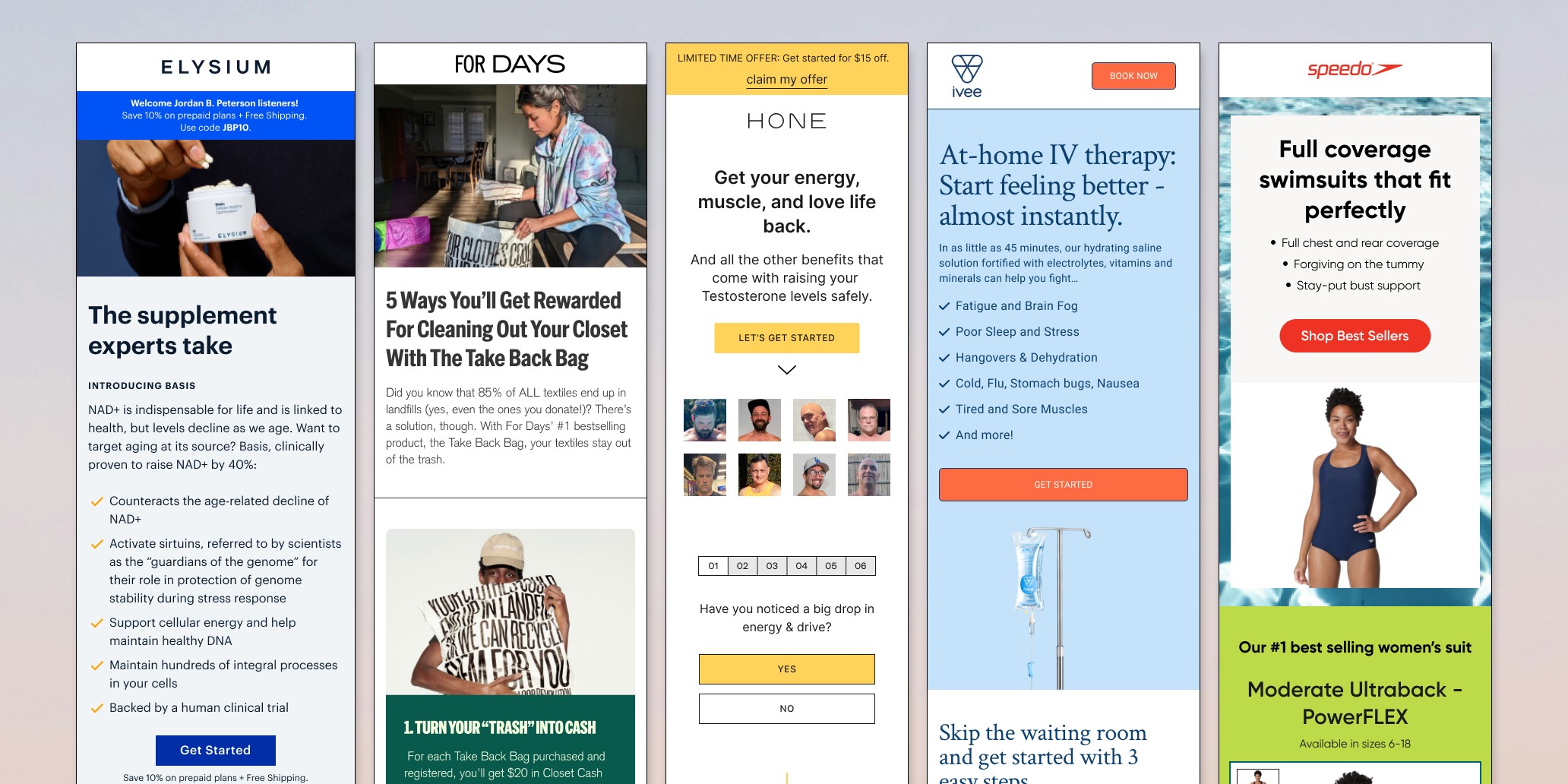
CTA hierarchy is the system that tells buyers what to do next, without confusion, pressure, or friction. When it is missing or unclear, even strong traffic and good products underperform.
This article explains what CTA hierarchy is, why it matters, and how to apply it on product pages to increase conversions and revenue.
What is CTA hierarchy?
CTA hierarchy is the visual and structural prioritization of actions on a page, designed to match user intent and guide decision-making.
On a product page, it answers one question clearly:
What is the most important action right now?
Why product page CTA hierarchy matters
Most shoppers do not read product pages line by line. They scan, hesitate, and look for cues.
When multiple CTAs compete equally, three things happen:
Decision-making slows down
Confidence drops
Fewer sessions turn into purchases
This is not a traffic issue. It is a clarity issue.
As we explain in How to Improve Landing Page Clarity Fast, clarity reduces cognitive load, which directly improves conversion rates.
The most common CTA hierarchy mistakes
Founders often make these mistakes without realizing it:
Add to Cart, Buy Now, and Learn More are all styled the same
Secondary actions distract from the purchase path
CTAs appear before the shopper has enough context
Mobile CTAs are buried or visually equal
These patterns increase clicks but reduce completed checkouts, especially on mobile. This aligns with the friction patterns covered in How to Increase Mobile Conversion Rates in 2025.
What strong CTA hierarchy looks like on a product page
High-converting product pages follow three principles.
1. One primary action
There should be one clearly dominant CTA.
Usually this is:
Add to Cart for browsing-friendly products
Buy Now for high-intent or repeat purchases
This supports the intent-based framework discussed in How to Improve Product Page Conversion Rates.
2. Secondary actions are visually quieter
Secondary CTAs still matter, but they should not compete.
Examples:
Learn More
View Ingredients
See Size Guide
Save for Later
These actions support confidence without stealing focus.
3. Hierarchy adjusts for mobile
On mobile, space is limited, and intent is higher.
Primary CTAs should:
Be visible without scrolling
Use strong contrast
Avoid competing buttons in the same view
This reinforces the lessons from How to Increase Add to Cart Rate.
CTA hierarchy is part of CRO, not a design preference
This is where many teams go wrong.
CTA hierarchy is not about brand taste or button color debates. It is a conversion system decision.
As outlined in The Simple CRO Tests That Increase Revenue Fast, small hierarchy adjustments often outperform large redesigns because they reduce friction at the moment of decision.
How CARO approaches CTA hierarchy
At CARO, CTA hierarchy is evaluated as part of a broader conversion system.
Instead of asking, “Which button should we use?” we ask:
What intent dominates this page?
What action creates momentum, not pressure?
Where does friction show up in behavior, not opinion?
This systems-level approach aligns with how we think about Landing Page Psychology That Converts and Answer Engine Optimization for CRO Growth.
Key Takeaway
If shoppers are unsure what to do next, conversions suffer. If shoppers are guided clearly, revenue follows.
CTA hierarchy is not about adding more buttons. It is about making the right action obvious.
Frequently Asked Questions
What is CTA hierarchy on a product page?
CTA hierarchy is the prioritization of actions that guides shoppers toward the most important next step.
Should product pages have more than one CTA?
Yes, but only one should be visually dominant. Secondary actions should support, not compete.
Does CTA hierarchy affect mobile conversions?
Yes. Poor hierarchy impacts mobile more due to limited space and higher intent.
Is CTA hierarchy part of CRO or UX?
It is part of CRO. It directly influences revenue by reducing friction and hesitation.