CRO Basics
Landing Page Psychology That Converts
Dec 12, 2025

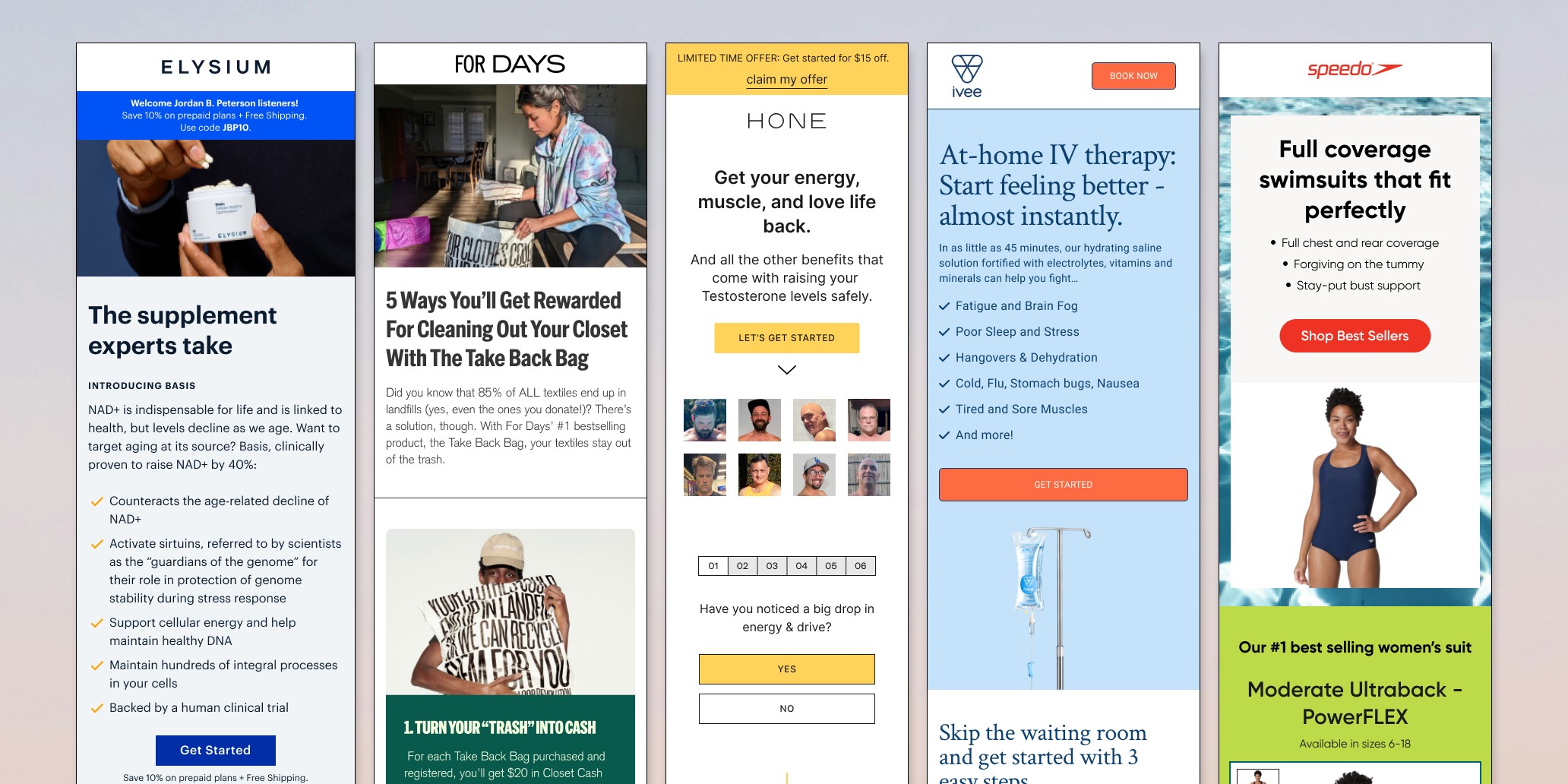
High converting landing pages are not built on design trends. They’re built on psychology. Every section, word, and layout decision guides the visitor from uncertainty to clarity, then to commitment.
In 2025, top performing e-commerce brands use psychological design principles to create landing pages that feel intuitive, fast, and trustworthy. These brands convert more because their pages match how people make decisions, not how teams prefer to present information.
This article breaks down the psychological frameworks CARO uses when building landing pages for high ticket e-commerce brands.
Why Psychology Matters More Than Design Trends
Founders often focus on aesthetics, but customers focus on comprehension. The conversion gap happens when the design team builds for visual polish and the customer wants clarity, speed, and reassurance.
Psychology aligns your landing page with the way customers naturally process information. When you follow human behavior patterns, conversions rise quickly.
The Key Psychological Principles Behind High Converting Pages
1. The Primacy Effect
Visitors remember what they see first. This is why the above-the-fold section influences conversion more than any other part of the page.
Your first section should answer:
What is this?
Who is it for?
Why does it matter now?
A clear fold reduces hesitation and increases scroll depth. If your above-the-fold structure is not converting, see The Highest Converting Landing Page Layout of 2025.
2. Cognitive Load Theory
When information feels dense, confusing, or overwhelming, visitors leave. The brain resists effort.
To reduce cognitive load, CARO optimizes:
Short, outcome driven copy
Clean spacing
Simple visual hierarchy
One decision per section
For clarity improvements, review How to Improve Landing Page Clarity Fast.
3. Social Proof Heuristics
Customers rely on shortcuts. Social proof is one of the strongest. Reviews, UGC, recognizable logos, and before and after visuals reduce perceived risk.
The goal is not to show everything. It’s to show the proof that eliminates the primary objection.
4. The Friction Equation
Friction increases when information feels unclear, contradictory, or effortful. Customers convert when the action feels easy.
Common friction triggers include:
Hidden fees
Missing product details
Long paragraphs
Overhyped claims
Slow loading media
If friction exists anywhere, visitors hesitate. For a deeper breakdown of friction patterns, read Why Your Landing Page Is Not Converting in 2025.
5. The “Future Pacing” Effect
Customers buy an outcome. When your copy paints a clear picture of what life looks like after purchasing, conversions increase.
Effective future pacing includes:
Clear “after” statements
Visual demonstrations
Benefit driven bullets
Lifestyle aligned imagery
The strongest pages help visitors imagine the experience before they buy.
6. The Scarcity and Priority Shift
Scarcity works when it feels legitimate and timely, not fabricated. In 2025, fake scarcity harms conversion more than ever.
High converting brands use:
Low inventory indicators tied to real data
Time sensitive restock cycles
Seasonal variants with limited runs
The goal is not pressure. It’s helping customers prioritize a purchase they already want.
How CARO Builds Pages Using Psychological Design
1. Behavioral Mapping
Cognitive patterns are mapped into the landing page structure:
How fast visitors scroll
Where they pause
Where they hesitate
What they ignore
This informs layout, copy, and placement decisions.
2. Trust Architecture
CARO integrates trust-building elements throughout the page, not only in a dedicated “reviews section.”
Trust elements may include:
Transparent shipping info
Real photos
Data backed claims
Comparison tables
Social proof aligned with objections
Trust comes from relevance, not volume.
3. Decision Flow Design
Each section answers a psychological need:
Orientation
Value
Proof
Detail
Reassurance
Action
This flow is how customers naturally make purchasing decisions.
What to Do Next
If you want a landing page built on proven psychological design principles rather than guesswork, CARO creates high converting pages that make your audience feel confident, understood, and ready to buy.
Book a discovery call here to see if your brand is a fit.